Planning
The Honest Cost of Weddings in Germany 2026: What Real Couples Actually Pay
May 7, 2026 · 11 min read · By Pretty Papery
Most wedding-cost articles use US numbers. The American average is around $35,000 (€32,000). For most German couples, that number is irrelevant — German weddings cost differently, are taxed differently, and the regional spread is enormous. We compiled real budgets from 200+ recent weddings of our customers in Germany, Austria, and Switzerland. Here's what couples actually paid in 2026.
The headline number: €18,000 to €35,000
The DACH median wedding in 2026 costs €25,000 for 80 guests. The realistic range is €18,000 (intimate, lean) to €50,000 (200 guests, premium venue) — with luxury-tier weddings (200+ guests, castle, designer dress) climbing past €100,000.
This is up from a German Hochzeitsverband average of €18,500 in 2019 — a real-terms increase of ~30% driven by venue/catering inflation, not lifestyle creep. If your parents tell you they spent €8,000 on theirs in 2010, they're not wrong — but those 2010 prices don't exist anymore.
The number that matters is not the average — it's what category eats your budget. Most couples don't blow their budget on the obvious things.
This is up from a German Hochzeitsverband average of €18,500 in 2019 — a real-terms increase of ~30% driven by venue/catering inflation, not lifestyle creep. If your parents tell you they spent €8,000 on theirs in 2010, they're not wrong — but those 2010 prices don't exist anymore.
The number that matters is not the average — it's what category eats your budget. Most couples don't blow their budget on the obvious things.
The realistic breakdown — % of total
Based on actual receipts from couples who shared their numbers with us:
Venue + catering: 42% (€10,500 on a €25K budget)
Includes meal, drinks, cake, service. The biggest line item, no surprise.
Photography + video: 14% (€3,500)
Mid-tier German wedding photographer: €1,800-2,500. Top tier (Hamburg/Munich/Berlin): €3,500-6,000. Video adds €1,500-3,000.
Outfit (dress + suit + shoes + alterations): 11% (€2,750)
Off-the-rack bridal: €800-2,500. Designer/custom: €3,000-8,000. Suit: €600-2,000.
Flowers + decoration: 9% (€2,250)
Highly variable. Minimalist couple: €600. Full styling: €5,000+.
Music: 7% (€1,750)
DJ: €800-1,400. Live band: €2,000-4,500.
Stationery + signage: 4% (€1,000)
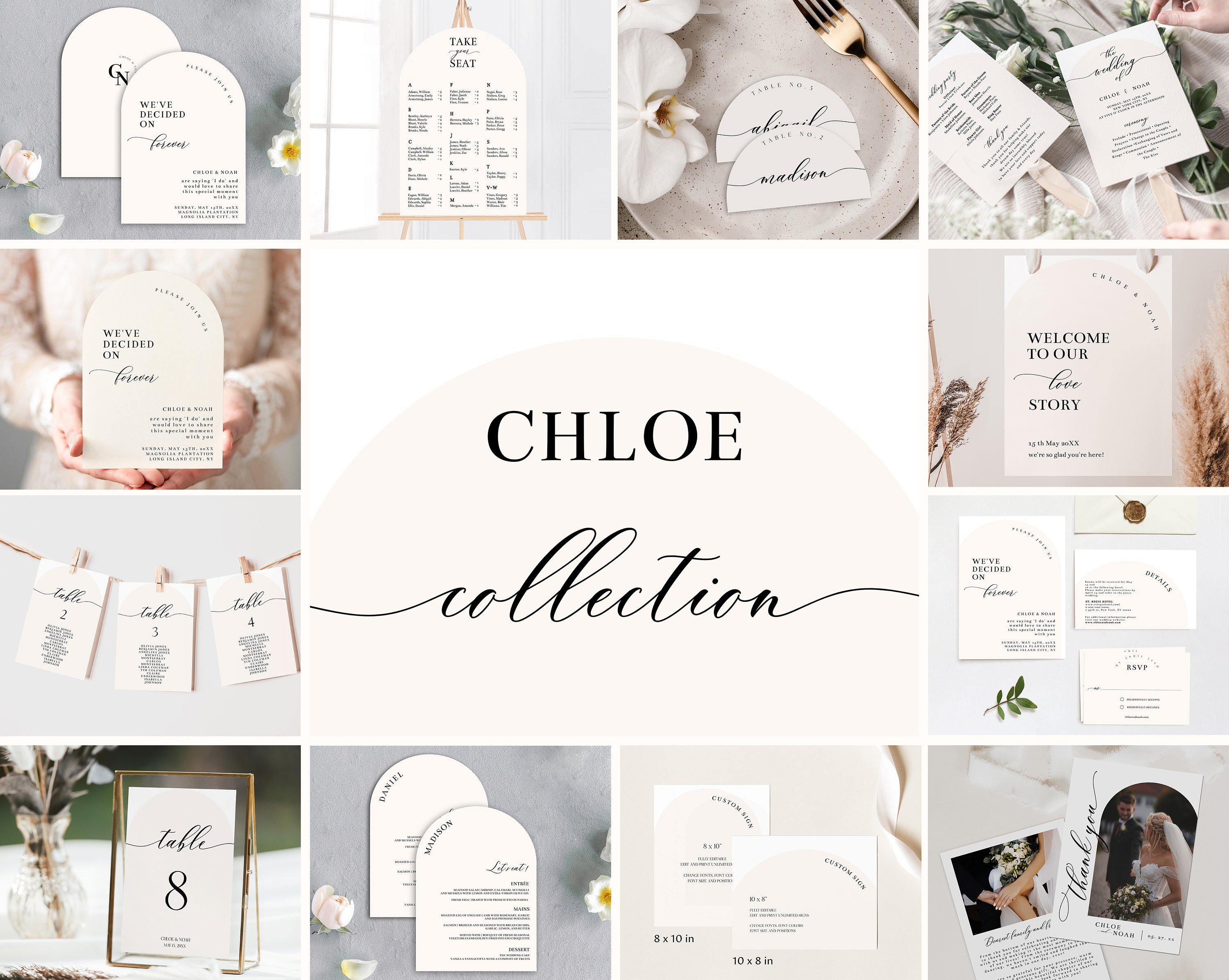
Save the dates, invitations, menus, place cards, welcome signs, table numbers. Higher if all custom-printed by professional stationer; lower if templated + DIY printed (where Pretty Papery sits — €100-300 for a complete suite using our templates).
Rings: 5% (€1,250)
Mid-tier: €600-1,500 per ring. Engagement ring separately: €1,500-5,000+.
Officiant + ceremony: 3% (€750)
Standesamt: €60-100. Free secular trauredner: €600-1,500. Religious: usually free or modest donation.
Transport + accommodation (couple's): 3% (€750)
Wedding-night hotel, transport for couple. Higher if you also pay travel for distant family members.
Hidden costs (see below): 2% (€500)
Venue + catering: 42% (€10,500 on a €25K budget)
Includes meal, drinks, cake, service. The biggest line item, no surprise.
Photography + video: 14% (€3,500)
Mid-tier German wedding photographer: €1,800-2,500. Top tier (Hamburg/Munich/Berlin): €3,500-6,000. Video adds €1,500-3,000.
Outfit (dress + suit + shoes + alterations): 11% (€2,750)
Off-the-rack bridal: €800-2,500. Designer/custom: €3,000-8,000. Suit: €600-2,000.
Flowers + decoration: 9% (€2,250)
Highly variable. Minimalist couple: €600. Full styling: €5,000+.
Music: 7% (€1,750)
DJ: €800-1,400. Live band: €2,000-4,500.
Stationery + signage: 4% (€1,000)
Save the dates, invitations, menus, place cards, welcome signs, table numbers. Higher if all custom-printed by professional stationer; lower if templated + DIY printed (where Pretty Papery sits — €100-300 for a complete suite using our templates).
Rings: 5% (€1,250)
Mid-tier: €600-1,500 per ring. Engagement ring separately: €1,500-5,000+.
Officiant + ceremony: 3% (€750)
Standesamt: €60-100. Free secular trauredner: €600-1,500. Religious: usually free or modest donation.
Transport + accommodation (couple's): 3% (€750)
Wedding-night hotel, transport for couple. Higher if you also pay travel for distant family members.
Hidden costs (see below): 2% (€500)
Regional spread — where you live matters more than you think
Same wedding, different city, different price. Real averages from our 2025-2026 data:
Hamburg / Munich / Berlin / Frankfurt: €30,000-45,000 median for 80 guests. Premium venues, photographer, florals, all 25-40% more than rural Germany.
Köln / Düsseldorf / Stuttgart / Dresden: €22,000-32,000 median. Tier-2 cities — quality vendors, reasonable venue rates, moderate accommodation costs.
Smaller cities (Münster, Erfurt, Heidelberg, Lübeck): €18,000-26,000. Often beautiful venues at reasonable rates, smaller wedding scenes mean less price-gouging.
Rural / village weddings: €12,000-22,000. Country house, family farm, or local Gasthof. Catering and venue can drop dramatically; you trade glamour for warmth.
Austria (Vienna): +10% over Hamburg-tier. Quality similar to Munich but with stronger ceremonial tradition.
Switzerland (Zurich/Geneva): +40-60% over German averages. €40,000-60,000 for an 80-guest wedding is normal.
Hamburg / Munich / Berlin / Frankfurt: €30,000-45,000 median for 80 guests. Premium venues, photographer, florals, all 25-40% more than rural Germany.
Köln / Düsseldorf / Stuttgart / Dresden: €22,000-32,000 median. Tier-2 cities — quality vendors, reasonable venue rates, moderate accommodation costs.
Smaller cities (Münster, Erfurt, Heidelberg, Lübeck): €18,000-26,000. Often beautiful venues at reasonable rates, smaller wedding scenes mean less price-gouging.
Rural / village weddings: €12,000-22,000. Country house, family farm, or local Gasthof. Catering and venue can drop dramatically; you trade glamour for warmth.
Austria (Vienna): +10% over Hamburg-tier. Quality similar to Munich but with stronger ceremonial tradition.
Switzerland (Zurich/Geneva): +40-60% over German averages. €40,000-60,000 for an 80-guest wedding is normal.
Where to save (and where to never skimp)
Where to save:
• Stationery — €1,200 from a custom stationer vs. €150 with our templates and home printing. Same quality look, 8x savings. Real numbers from our customers.
• Flowers — €5,000 floral installations vs. €1,200 with mostly greenery + key statement pieces. Same Instagram-able effect.
• Cake — €600 elaborate cake vs. €200 simple naked cake + €100 in seasonal cupcakes. Guests rarely remember the cake; they remember the dancing.
• Wedding favors — €4-8 per favor × 80 guests = €640. Skip entirely. 70% get left behind. Donate to charity in guests' name instead = better story, lower cost.
Where to never skimp:
• Photographer. The only thing left after the day. €1,800 vs. €3,500 photographer is the difference between "okay snapshots" and "portfolio-worthy memories." Pay the difference.
• Venue location/timing, not venue extras. A €4,000 Saturday in June vs. €2,000 Friday in March, same venue. Off-peak gets you the same place at half the cost.
• Catering quality, not quantity. €60/person plated > €40/person buffet for guest experience. Reduce guest count before reducing food quality.
• Comfortable shoes for the bride. Sounds silly. Two days of physical pain because you wore the wrong shoes is not worth €100 saved.
• Stationery — €1,200 from a custom stationer vs. €150 with our templates and home printing. Same quality look, 8x savings. Real numbers from our customers.
• Flowers — €5,000 floral installations vs. €1,200 with mostly greenery + key statement pieces. Same Instagram-able effect.
• Cake — €600 elaborate cake vs. €200 simple naked cake + €100 in seasonal cupcakes. Guests rarely remember the cake; they remember the dancing.
• Wedding favors — €4-8 per favor × 80 guests = €640. Skip entirely. 70% get left behind. Donate to charity in guests' name instead = better story, lower cost.
Where to never skimp:
• Photographer. The only thing left after the day. €1,800 vs. €3,500 photographer is the difference between "okay snapshots" and "portfolio-worthy memories." Pay the difference.
• Venue location/timing, not venue extras. A €4,000 Saturday in June vs. €2,000 Friday in March, same venue. Off-peak gets you the same place at half the cost.
• Catering quality, not quantity. €60/person plated > €40/person buffet for guest experience. Reduce guest count before reducing food quality.
• Comfortable shoes for the bride. Sounds silly. Two days of physical pain because you wore the wrong shoes is not worth €100 saved.
Five real budgets — what €X actually buys
€12,000 wedding (intimate, 30 guests, rural)
Country Gasthof venue with included catering; photographer 5h coverage; modest dress + suit; hand-tied bouquets; small DJ; templated stationery printed at home. Felt warm, intimate, photographable.
€20,000 wedding (medium, 60 guests, mid-city)
Restaurant venue with private room; full-day photographer; off-the-rack designer dress; florist for ceremony + reception; 5-piece live band for first hour, DJ after; mid-quality print stationery. The most common "balanced" wedding we see.
€32,000 wedding (medium, 80 guests, Hamburg)
Boutique hotel venue; mid-tier photographer + videographer; designer dress + custom suit; full-styling florals; live band; full custom-printed stationery suite + welcome signage. Standard upper-middle-class Hamburg wedding.
€55,000 wedding (large, 130 guests, premium venue)
Castle/palace venue (e.g., Schloss-style location near Hamburg or Berlin); 2 photographers + videographer + drone; custom designer dress; tiered floral installation; live band + DJ; custom stationery + handmade calligraphy. The wedding most Pinterest boards depict.
€100,000+ wedding (lavish, 200 guests, multi-day)
Destination venue or country estate; multi-day events (Polterabend, ceremony, reception, brunch); wedding planner; full creative team. Real but rare — about 3% of our 200-couple sample.
Country Gasthof venue with included catering; photographer 5h coverage; modest dress + suit; hand-tied bouquets; small DJ; templated stationery printed at home. Felt warm, intimate, photographable.
€20,000 wedding (medium, 60 guests, mid-city)
Restaurant venue with private room; full-day photographer; off-the-rack designer dress; florist for ceremony + reception; 5-piece live band for first hour, DJ after; mid-quality print stationery. The most common "balanced" wedding we see.
€32,000 wedding (medium, 80 guests, Hamburg)
Boutique hotel venue; mid-tier photographer + videographer; designer dress + custom suit; full-styling florals; live band; full custom-printed stationery suite + welcome signage. Standard upper-middle-class Hamburg wedding.
€55,000 wedding (large, 130 guests, premium venue)
Castle/palace venue (e.g., Schloss-style location near Hamburg or Berlin); 2 photographers + videographer + drone; custom designer dress; tiered floral installation; live band + DJ; custom stationery + handmade calligraphy. The wedding most Pinterest boards depict.
€100,000+ wedding (lavish, 200 guests, multi-day)
Destination venue or country estate; multi-day events (Polterabend, ceremony, reception, brunch); wedding planner; full creative team. Real but rare — about 3% of our 200-couple sample.
How to actually budget without being stressed
Step 1: Pick a number. €25,000? €40,000? Whatever's true — write it on paper.
Step 2: Apply the percentages above to that number. You now have a category-by-category target.
Step 3: Identify your 2 priorities (e.g., venue + photo for some, music + food for others). Add 5-10% to those, subtract from low-priority categories.
Step 4: Build in a 10% buffer. Wedding budgets that come in on-target almost never exist. The buffer is what turns "over budget" into "on plan."
Step 5: Track in a spreadsheet (or our free Wedding Budget Calculator). Update weekly during the planning phase. Every overrun gets compensated by an underrun elsewhere — non-negotiable rule.
The honest truth: most couples we've worked with came in 8-15% over their initial budget. The ones who finished closest to plan were the ones who decided before the planning began what their two priorities were. Once you've decided, decisions become easier — and cheaper.
Step 2: Apply the percentages above to that number. You now have a category-by-category target.
Step 3: Identify your 2 priorities (e.g., venue + photo for some, music + food for others). Add 5-10% to those, subtract from low-priority categories.
Step 4: Build in a 10% buffer. Wedding budgets that come in on-target almost never exist. The buffer is what turns "over budget" into "on plan."
Step 5: Track in a spreadsheet (or our free Wedding Budget Calculator). Update weekly during the planning phase. Every overrun gets compensated by an underrun elsewhere — non-negotiable rule.
The honest truth: most couples we've worked with came in 8-15% over their initial budget. The ones who finished closest to plan were the ones who decided before the planning began what their two priorities were. Once you've decided, decisions become easier — and cheaper.